Natural remedies for acne-free skin

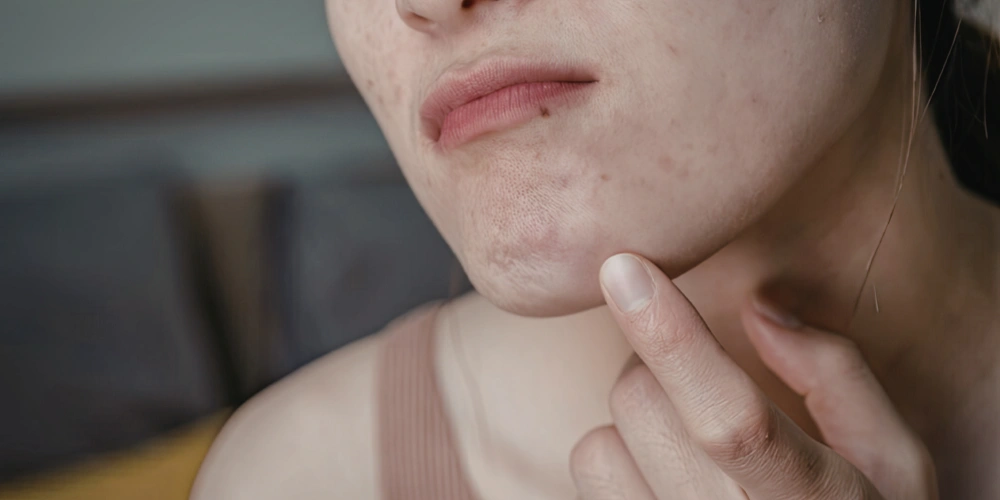
Acne is one of the most common skin problems affecting teens and adults in the United States. It can cause red bumps, pimples, blackheads, and sometimes painful cysts. While many people turn to chemical treatments, natural remedies can help clear skin gently and safely. These remedies focus on reducing oil, killing bacteria, and soothing inflammation. They can improve skin health without harsh side effects. Using natural ingredients consistently can prevent breakouts over time. Diet, hydration, and lifestyle also play important roles in keeping skin healthy. Natural methods can be affordable and easy to follow at home. They often work best when combined with good skincare habits. Understanding your skin type is key to choosing the right remedies.
natural remedies for acne-free skin
Natural remedies can reduce acne, calm redness, and prevent future breakouts. These methods are gentle and work by nourishing the skin from the outside and inside. Regular care and patience are essential for visible results. Here are some effective remedies for acne-free skin.
1. Tea Tree Oil Treatment
Tea tree oil is a natural antibacterial and anti-inflammatory agent. It can help reduce acne-causing bacteria and calm inflamed skin.
Applying tea tree oil directly on pimples can shrink them overnight. Use a cotton swab to dab a small amount on the affected area. Avoid using too much, as it can cause irritation. Diluting with a carrier oil like coconut or jojoba oil is recommended for sensitive skin. Using it daily can gradually reduce acne severity. Combining tea tree oil with aloe vera gel can boost healing. It also helps prevent scarring. Avoid applying it on broken skin. Always perform a patch test before use.
2. Honey and Cinnamon Mask
Honey and cinnamon have antibacterial properties that fight acne-causing bacteria. They also soothe redness and prevent infections.
Mix one tablespoon of honey with half a teaspoon of cinnamon to form a paste. Apply it evenly on your face and leave it for 10–15 minutes. Rinse with lukewarm water and pat dry. Use this mask 2–3 times a week for best results. Honey moisturizes while cinnamon reduces inflammation. This combination can help prevent new breakouts. It is gentle on sensitive skin. Avoid using on open wounds or severe acne. Consistent use can make skin clearer and smoother.
3. Aloe Vera Gel
Aloe vera is known for its soothing and healing properties. It reduces redness and repairs damaged skin.
Extract fresh aloe vera gel from a leaf and apply it directly to the face. Focus on inflamed or acne-prone areas. Leave it on for 20–30 minutes before washing. Aloe vera has antibacterial properties that fight acne-causing germs. It also hydrates the skin without making it oily. Using it daily can reduce scars and redness. Aloe vera gel can be mixed with turmeric or honey for enhanced effects. It helps balance oil production. Avoid using store-bought gels with added chemicals. Fresh gel works best for natural healing.
4. Green Tea Toner
Green tea contains antioxidants and anti-inflammatory compounds that reduce acne and redness. It can help prevent new breakouts.
Brew green tea and allow it to cool. Apply it to the face using a cotton pad or spray bottle. Use it as a toner twice daily for best results. Green tea reduces excess oil on the skin. It also fights bacteria that cause acne. Regular use can improve overall skin texture. Mixing green tea with a few drops of lemon juice enhances antibacterial effects. Green tea also soothes sun-damaged skin. Avoid overusing lemon juice if you have sensitive skin. Consistency is key for clear skin.
5. Diet and Hydration
Healthy eating and staying hydrated can prevent acne from forming. Certain foods trigger inflammation, while others support skin health.
Include plenty of fresh fruits, vegetables, and whole grains in your diet. Avoid sugary snacks, fried foods, and processed meals. Drink at least 8 glasses of water daily to flush out toxins. Omega-3 fatty acids from fish or flaxseeds can reduce inflammation. Probiotics like yogurt support gut health, which reflects on the skin. Limit dairy if it triggers breakouts. Balanced nutrition strengthens the immune system and reduces acne severity. Proper hydration keeps skin soft and prevents excess oil. Combine dietary changes with topical remedies for best results. Avoid crash diets that can worsen acne.
Frequently Asked Questions
Natural remedies for acne are safe and effective when used consistently. They work by reducing inflammation, bacteria, and excess oil.
Q1: Can natural remedies completely cure acne?
Natural remedies can significantly reduce acne and prevent new breakouts. However, severe acne may require medical treatment. Consistent care, diet, and skincare habits improve long-term results.
Q2: How long does it take to see results from natural remedies?
Visible improvement may take 2–6 weeks depending on skin type and acne severity. Patience and regular use of remedies are key. Combining topical and lifestyle changes speeds up healing.
Conclusion
Acne can be managed effectively using natural remedies. Tea tree oil, honey, cinnamon, aloe vera, and green tea help reduce inflammation and bacteria. Healthy diet and hydration support clearer skin from within. Regular care and consistency are essential for lasting results. Avoid harsh chemicals that can irritate skin further. Understand your skin type before trying new remedies. Combining multiple methods often gives the best results. Natural remedies are gentle, affordable, and safe for long-term use, promoting healthy, acne-free skin naturally.