How to get baby soft skin naturally

Everyone dreams of having soft, smooth, and glowing skin. In the United States, many people face challenges like pollution, stress, and harsh weather that make skin rough and dry. Using natural methods to care for your skin can bring lasting softness without harmful chemicals. These remedies nourish your skin from within, removing dead cells and improving moisture. Natural ingredients are safe, affordable, and often easily available at home. Consistent care with simple routines can make your skin feel soft and youthful. Healthy skin also boosts confidence and leaves a radiant glow. Natural methods often focus on hydration, gentle exfoliation, and protection from damage. You don’t need expensive creams or treatments to get baby-soft skin. Small daily habits can create big results over time.
How to get baby soft skin naturally
Getting baby-soft skin is possible by using simple, natural methods at home. Regular care, hydration, and gentle treatments help remove roughness and enhance softness. Here are some effective ways to achieve silky smooth skin naturally.
1. Exfoliate Gently
Exfoliation removes dead skin cells that make skin rough. Use natural scrubs like sugar, oatmeal, or coffee grounds mixed with honey or yogurt. Rub gently in circular motions to avoid irritation. Exfoliate 1–2 times a week for best results. Natural exfoliants prevent damage that harsh chemicals can cause. Gentle exfoliation also boosts blood circulation, giving skin a natural glow. For sensitive skin, oatmeal mixed with water is the safest option. Avoid over-scrubbing, which can cause redness and dryness. After exfoliation, always apply a natural moisturizer to lock in hydration. Regular exfoliation keeps skin soft, smooth, and even in texture.
2. Hydrate Your Skin
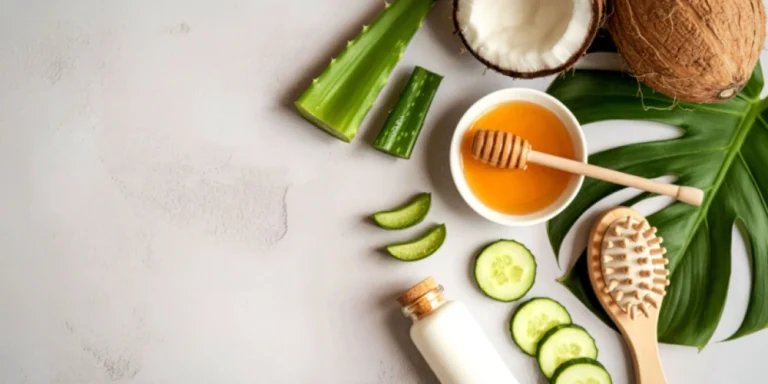
Moisturizing is key to soft skin. Natural oils like coconut oil, almond oil, or shea butter deeply nourish skin. Apply after bathing while skin is still slightly damp to trap moisture. Drinking enough water daily also keeps skin hydrated from the inside. Aloe vera gel is another natural hydrator that soothes and softens skin. Use oil blends or natural creams instead of chemical-heavy lotions. Hydrated skin looks plump and smooth, reducing rough patches. Nighttime oil massages can improve texture over time. Even dry areas like elbows and knees respond well to regular moisturizing. Consistent hydration prevents premature dryness and aging.
3. Maintain a Healthy Diet
What you eat affects your skin’s softness. Include fruits, vegetables, nuts, and seeds rich in vitamins and antioxidants. Omega-3 fatty acids from fish or flax seeds improve skin elasticity and moisture. Avoid excess sugar and processed foods, which can cause dullness and roughness. Vitamin C and E-rich foods support skin repair and glow. Drinking green tea helps fight oxidative stress, keeping skin soft. A balanced diet also reduces inflammation that can lead to rough patches. Healthy fats and proteins strengthen skin structure naturally. Incorporating hydration with water-rich foods enhances softness. A nutrient-rich diet works best with external skin care for smooth results.
4. Protect Skin from Sun Damage
Sun exposure can make skin rough and dry. Use natural sunscreens or protective clothing when outdoors. Lemon juice and aloe vera masks can soothe sun-exposed skin naturally. Avoid long sun exposure during peak hours to prevent damage. Sun protection prevents premature wrinkles and roughness. Wearing hats and using umbrellas adds extra shielding. Incorporating antioxidants in your diet helps repair sun damage. Moisturizers with natural SPF ingredients provide additional defense. Consistent protection ensures skin remains soft and youthful. Combining diet, hydration, and protective measures keeps skin smooth year-round.
5. Use Natural Face and Body Masks
Homemade masks with honey, yogurt, or avocado nourish skin deeply. Honey is moisturizing and antibacterial, perfect for softening skin. Yogurt contains lactic acid that gently exfoliates and brightens skin. Avocado provides essential fats and vitamins for smoothness. Apply masks once or twice a week for best results. Masks help restore moisture and remove dead skin layers. Adding oats or aloe vera enhances soothing properties. Regular use improves texture and leaves a natural glow. Avoid harsh chemicals found in store-bought masks. Natural masks support healthy, baby-soft skin without irritation.
Frequently Asked Questions
Taking care of your skin naturally raises common questions about methods and results.
Q1: How often should I exfoliate my skin naturally?
Exfoliating 1–2 times a week is ideal for most skin types. Over-exfoliation can irritate and damage skin. Always follow with a natural moisturizer to maintain softness. Gentle, consistent exfoliation helps keep your skin smooth and radiant.
Q2: Can diet really affect skin softness?
Yes, a healthy diet rich in vitamins, antioxidants, and healthy fats improves skin texture. Hydrating foods and omega-3s enhance elasticity and reduce dryness. Avoiding processed foods and sugar prevents dullness and rough patches. Diet and external care together create the best results.
Conclusion
Achieving baby-soft skin naturally is possible with simple steps. Start by gently exfoliating your skin once or twice a week. Hydrate regularly with natural oils, aloe vera, or moisturizers. Maintain a healthy diet rich in fruits, vegetables, and healthy fats. Protect your skin from sun damage using clothing, natural sunscreens, and timing outdoor exposure. Use homemade masks weekly for deep nourishment and softness. Drink plenty of water to keep your skin hydrated from inside. Follow these habits consistently for noticeable results. Over time, your skin will feel smooth, soft, and radiant without harsh chemicals.