Natural Remedies for Sensitive Skin Care

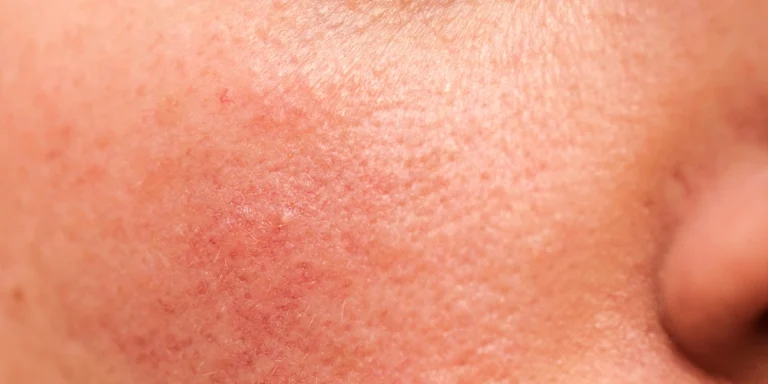
Sensitive skin is a common concern for many people in the United States. It reacts easily to environmental factors, harsh chemicals, and even some natural ingredients. This type of skin can appear red, itchy, or irritated, making daily care challenging. People with sensitive skin often struggle to find products that are gentle yet effective. The key is to focus on soothing, hydrating, and protective solutions. Natural remedies can be safer and reduce the risk of reactions. Using simple, kitchen-based ingredients often improves skin health without harsh chemicals. Consistency is important when treating sensitive skin naturally. A balanced lifestyle, proper hydration, and sun protection also support healthy skin. This guide explores practical natural remedies and tips to care for sensitive skin at home.
Natural Remedies for Sensitive Skin Care
Sensitive skin needs gentle and nourishing care to prevent irritation. Natural remedies are ideal because they soothe, hydrate, and repair skin without harsh chemicals. Regular use of simple home ingredients can calm redness, reduce dryness, and strengthen the skin barrier. Here are some effective approaches:
1. Aloe Vera for Soothing Irritation
Aloe vera is a natural plant extract with cooling and anti-inflammatory properties. It helps calm redness and reduces itching or burning sensations. Aloe gel can be applied directly to affected areas. It also provides hydration and promotes skin healing. Using aloe vera regularly can strengthen the skin barrier over time. For best results, use pure aloe gel without added chemicals. Aloe vera masks mixed with honey enhance its soothing effects. Always test on a small patch first to ensure no sensitivity. Cold aloe gel can provide extra relief after sun exposure. Combining aloe with gentle massage improves blood flow and skin nourishment.
2. Oatmeal for Moisture and Calmness
Oatmeal is a natural ingredient that softens and protects sensitive skin. It contains compounds that reduce inflammation and irritation. Oatmeal baths can relieve itching caused by dryness or allergic reactions. Ground oatmeal can be used as a face mask mixed with water or yogurt. It helps lock in moisture and prevent flare-ups. Using oatmeal regularly maintains skin smoothness. Avoid adding harsh ingredients that may trigger reactions. Oatmeal can also act as a gentle exfoliant without scratching delicate skin. Its antioxidant properties support skin repair and reduce redness. Daily use of oatmeal-based products strengthens the skin’s natural barrier.
3. Coconut Oil for Gentle Hydration
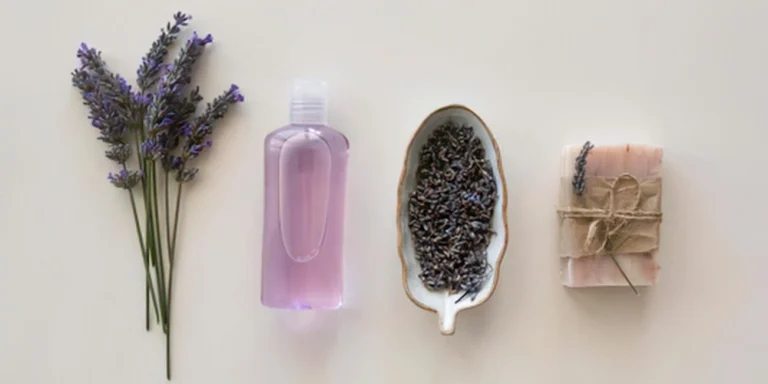
Coconut oil is effective for sensitive skin due to its moisturizing and antibacterial properties. It penetrates deep into the skin to provide long-lasting hydration. Coconut oil can reduce dryness and soothe irritation from environmental factors. Applying it after cleansing prevents moisture loss. Mix coconut oil with a few drops of lavender oil for additional calming effects. Use sparingly to avoid clogging pores, especially on oily areas. Coconut oil also supports wound healing on minor skin irritations. Regular application improves skin texture and resilience. Ensure the oil is pure and unrefined for maximum benefit. Combining coconut oil with aloe vera can enhance its soothing effects.
4. Green Tea for Redness Reduction
Green tea is rich in antioxidants that protect and repair sensitive skin. Its anti-inflammatory properties help reduce redness and swelling. Green tea extracts can be applied as a toner or face mist. Brewed green tea can also be used in compresses on irritated areas. Daily use helps calm flare-ups caused by environmental stress. Green tea protects the skin from oxidative damage and premature aging. Its gentle nature makes it safe for most sensitive skin types. Combining green tea with honey increases hydration and soothes irritation. Using cooled tea rather than hot ensures no additional stress on delicate skin. Green tea is also effective in reducing puffiness around the eyes.
5. Honey for Healing and Protection
Honey is a natural humectant that retains moisture in sensitive skin. It also has antibacterial and anti-inflammatory properties. Applying raw honey directly to the skin promotes healing of minor cuts and irritations. Honey masks can reduce redness and strengthen the skin barrier. Use gentle circular motions to apply honey without causing irritation. Mixing honey with yogurt or oatmeal increases hydration and calming effects. Daily use improves skin texture and prevents dryness. Honey helps maintain the skin’s natural pH balance. Its antioxidant content supports overall skin health. Always choose raw, organic honey for maximum benefits. Honey can be combined with aloe vera for extra soothing power.
Frequently Asked Questions
Sensitive skin requires careful care and gentle products. Here are some common questions:
Q1: Can sensitive skin use essential oils safely?
Essential oils can irritate sensitive skin if used directly. Always dilute with a carrier oil like coconut or jojoba oil. Patch testing before full application is crucial. Choose mild oils such as lavender or chamomile, and avoid citrus oils that may cause reactions.
Q2: How often should I use natural remedies for sensitive skin?
Natural remedies should be used 2–3 times a week for masks or daily for moisturizers like aloe vera or coconut oil. Overuse may sometimes cause reactions. Consistent, moderate application improves skin strength without irritation.
Conclusion
Caring for sensitive skin naturally is possible with simple ingredients and gentle routines. Aloe vera, oatmeal, coconut oil, green tea, and honey are effective and safe options. Always perform patch tests before trying new remedies. Regular hydration, sun protection, and avoiding harsh chemicals support skin health. Establishing a daily gentle routine prevents flare-ups and irritation. Consistency and patience are key for visible improvement. Natural remedies not only soothe the skin but also strengthen it over time. Following these steps ensures healthier, calmer, and more resilient sensitive skin.